Sugar cravings: where they come from and how to tame them without giving up everything
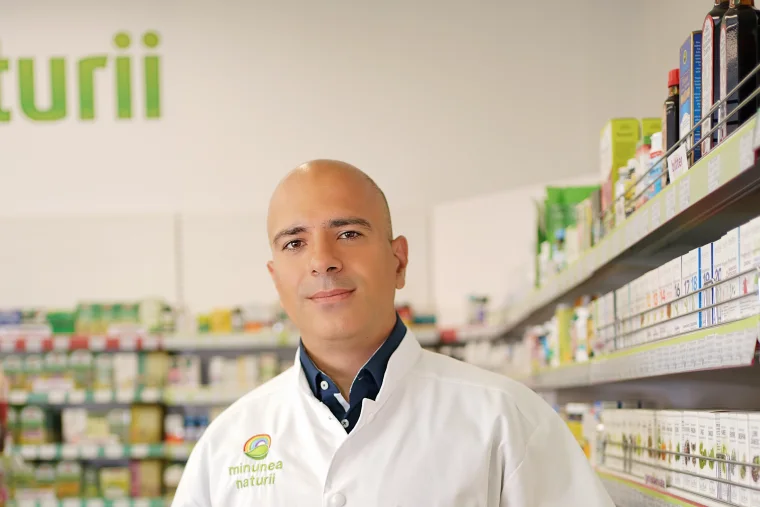 Checked by Adrian Ienin, pharmacist · updated
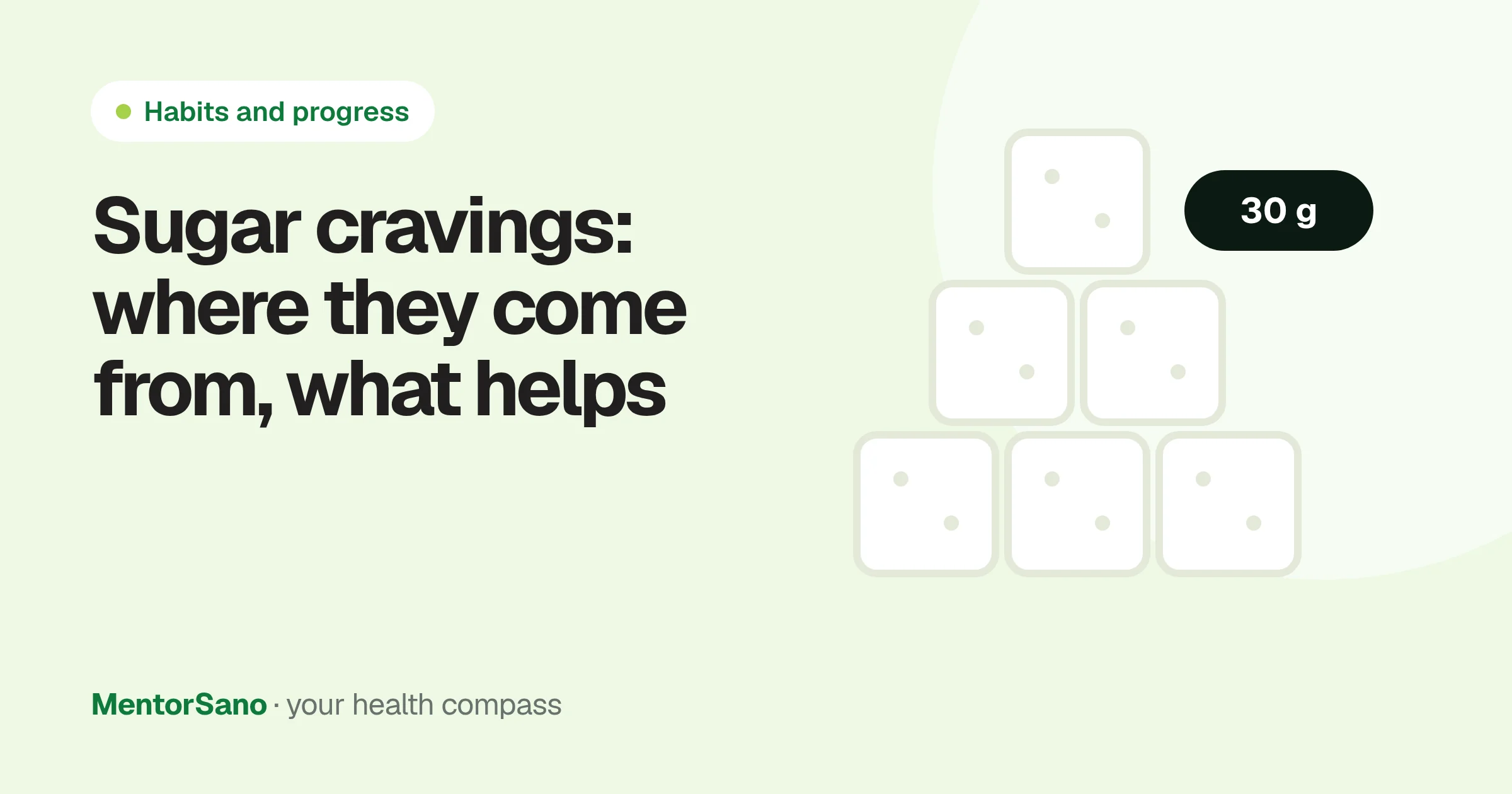
Sugar cravings most often come from habit, from skipped meals or meals low in protein, from too little sleep and from stress. The UK's National Health Service (NHS) recommends that adults have no more than 30 g of free sugars a day, about 7 sugar cubes, and the World Health Organization says ideally under 5% of calories. Your taste gets used to less sugar within a few weeks, so cutting down gradually works better than a ban.
Want to see what this means for you? Start for free →
Why do we crave sugar?
A liking for sweet tastes is something we're born with. Babies prefer sweet flavours from their first days. The trouble is that sugar is now everywhere and very easy to get, and the brain quickly learns to ask for it at certain moments.
The most common reasons cravings show up:
- Habit. If you always have a biscuit with your coffee or something sweet after lunch, your body comes to expect it at the same time.
- Hunger. When you skip a meal or just grab something quick without protein or fibre, your energy drops and your body looks for a fast fix.
- Too little sleep. After a short night, people more often choose sweet, fatty food.
- Stress and tiredness. Something sweet brings a little calm in the moment, and the brain remembers that.
- Reward. Many of us grew up with sweets given as a treat, and the link sticks.
How much sugar is too much?
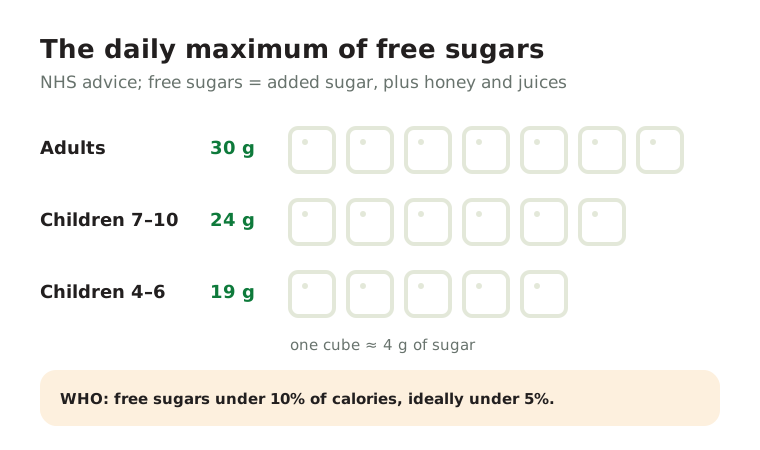
“Free sugars” means sugar added to food and drinks, plus the sugar in honey, syrups and fruit juices, even natural ones. Sugar in whole fruit, vegetables and milk doesn't count.
The World Health Organization recommends keeping free sugars under 10% of daily calories and, for extra benefit, under 5%. The NHS turned the second figure into grams: no more than 30 g a day for adults. A single can of a regular soft drink can go over that amount on its own.
Where does sugar hide?
Obvious sweets are only part of it. A lot of sugar comes from products you wouldn't think of as sweet:
- soft drinks, juices, iced teas and energy drinks;
- fruit yoghurts and dairy desserts;
- breakfast cereals and “cereal” bars;
- sauces: ketchup, sweet and sour, pasta sauces;
- bread and pastries;
- coffee with syrup.
On the label, look at “of which sugars” per 100 g and at the ingredients list. Sugar goes by many names: glucose-fructose syrup, dextrose, corn syrup, honey, concentrated juice.
How do you tame sugar cravings, step by step?
| What you do | Why it works |
|---|---|
| Regular meals with protein and fibre | your energy stays steady and big hunger doesn't catch you in the afternoon |
| Cut the sugar in your coffee or tea by a teaspoon a week | your taste adjusts gradually and you don't miss it |
| Water instead of sugary drinks | liquid sugar is the easiest to cut and makes the biggest difference |
| Whole fruit within reach | it's sweet, but it also has fibre and fills you up |
| Sweets out of sight | what you see often, you eat often |
| Enough sleep | after a good night, cravings are smaller |
| A short walk when a craving hits | cravings often pass within 10 to 15 minutes |
You don't have to ban sweet things. Total bans often lead to eating a lot all at once. It works better to pick your moments: a small dessert on Sunday, a slice of cake at a birthday, a little dark chocolate.
To see when cravings appear and what sets them off, the daily journal in your free MentorSano account keeps your meals, sleep and energy side by side. Many people find that cravings come on days with little sleep or skipped meals.
What about evening cravings?
Evening sugar cravings usually have two causes: a day of meals that were too small, and tiredness. A few ideas:
- have a lunch and dinner with protein and vegetables, not just a quick snack;
- keep a better option to hand: plain yoghurt with fruit, a few nuts, a square of dark chocolate;
- after dinner, brush your teeth: many people don't fancy anything sweet after that;
- if you eat sweets in front of a screen out of habit, put a small portion in a bowl instead of taking the whole packet.
Do sweeteners help?
Zero-calorie sweeteners can help in the short term, for example when you're switching from sugary drinks to water. In 2023 the World Health Organization advised against using them as a way to lose weight in the long run, because studies haven't shown a clear benefit. The long-term aim is for your taste to get used to less sweetness, not to swap sugar for something just as sweet.
When to see a doctor
- You're very thirsty, pee often and crave sugar all the time: it could be high blood sugar.
- You feel shaky, sweaty or dizzy when you go a few hours without eating.
- You often eat large amounts without being able to stop, and feel guilty afterwards.
- You have diabetes and sugar cravings are getting in the way of your treatment.
Frequently asked questions
How many grams of sugar a day are recommended?
The NHS recommends that adults have no more than 30 g of free sugars a day, about 7 cubes. Sugar in whole fruit, vegetables and milk doesn't count towards that amount.
How long until sugar cravings ease?
For many people, taste adjusts to less sugar within a few weeks. What used to seem normal starts to taste too sweet.
Is honey healthier than sugar?
For your body, honey still counts as free sugar. It has a pleasant taste and a few more nutrients, but it's not something to eat without a second thought.
Is fruit a good choice when I crave something sweet?
Yes. Whole fruit is sweet, but it also has fibre and water, so it fills you up and raises blood sugar more slowly than sweets.
Is dark chocolate a good choice?
Dark chocolate with a high cocoa content has less sugar than milk chocolate and is usually eaten in smaller amounts. It's a better choice, but it's still a treat: a few squares, not a whole bar.
Does eating protein in the morning help?
A breakfast with protein, such as eggs or yoghurt, keeps you full for longer and, for many people, reduces sugar cravings later in the day.
Start from where you are today
MentorSano brings together your blood tests, sleep, meals, movement and habits, and Adrian Ienin checks your plan before it reaches you.
- 15-minute questionnaire
- Blood tests, explained
- Daily journal
- Lesson of the day
- An expert by your side
Adrian Ienin
Naturopathic pharmacist, nutrition and holistic health consultant, co-founder of MentorSano. He checks the articles here and the plans in the platform before they reach people.